Craft·7 min read
The Pause That Does More Work Than the Punchline
Every comedian knows the beat before the laugh. Every great storyteller lives there on purpose.
Rowan Calloway
 Yarn
YarnA listening room for those who carry stories
Scroll to find out
The Four Archetypes
The Archetype
Where the teller becomes the story
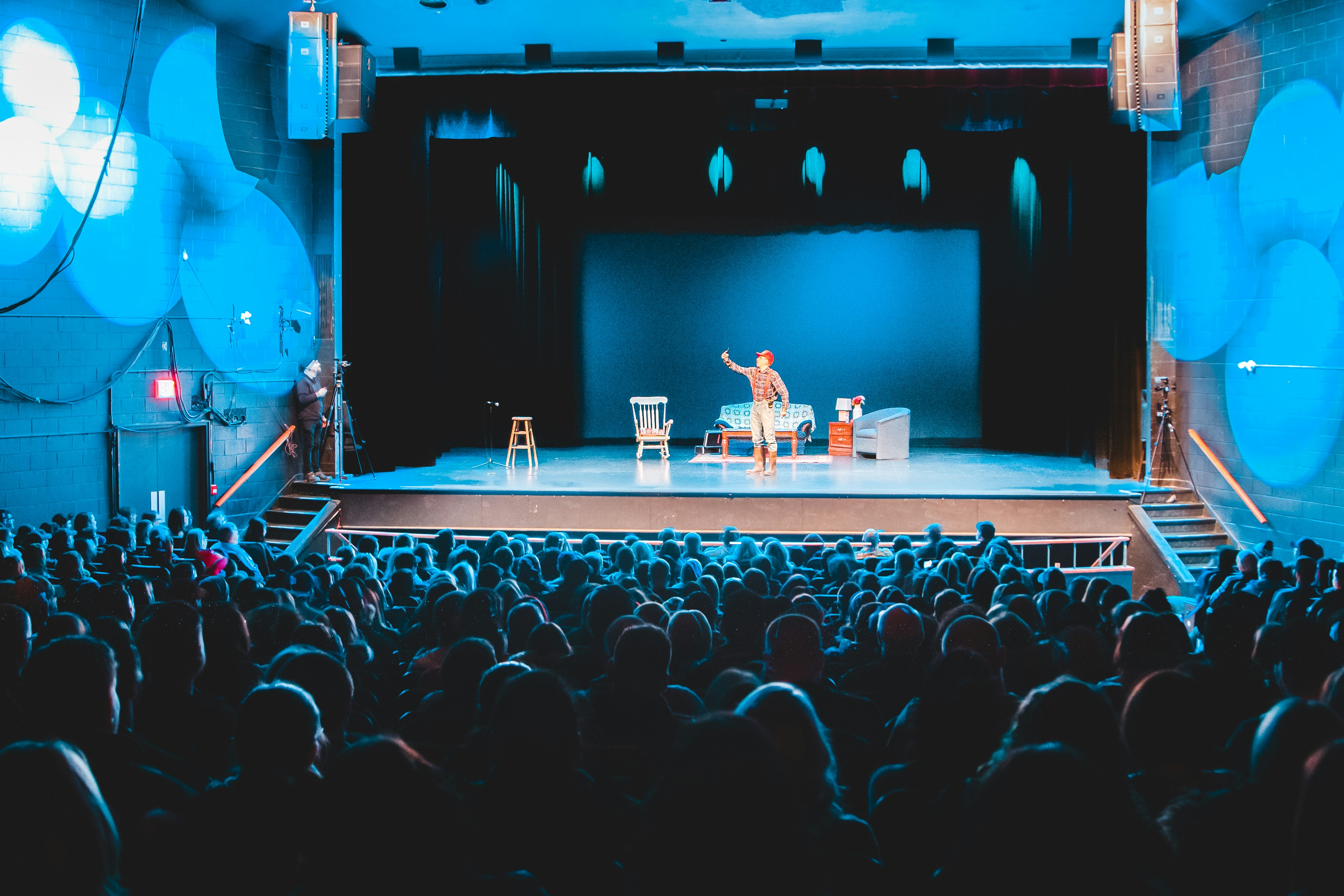
The Confessor holds the room by going first — saying the thing the audience is afraid to say about themselves. This is not vulnerability as performance; it is vulnerability as precision engineering. The story only works because it costs the teller something real.
“I didn't plan to cry. But when I heard myself say it out loud for the first time, the room got very quiet. That quiet was the story.”
— Amara Osei, Chicago Open Mic, 2024
“I didn't plan to cry. But when I heard myself say it out loud for the first time, the room got very quiet. That quiet was the story.”
— Amara Osei, Chicago Open Mic, 2024
Now lower your voice.
Let them come to you.

The Archetype
Every road is a promise of arrival
The Journeyman understands that motion is trust. As long as the story keeps walking, the audience keeps believing. The power is in the escalation — each mile earned, each obstacle a new reason to keep going. The destination matters less than the fact that we never stopped moving.
“My best stories don't have endings. They have landings. You don't need to arrive somewhere. You need to still be moving when the lights come up.”
— Devraj Mehta, Moth StorySLAM, San Francisco, 2025
“My best stories don't have endings. They have landings. You don't need to arrive somewhere. You need to still be moving when the lights come up.”
— Devraj Mehta, Moth StorySLAM, San Francisco, 2025
Find the moment before the moment.
That's where the real story lives.
The Archetype
You gave them the rug. Now pull it.
The Reversal Artist plants meaning early and harvests it late. The power is in misdirection — not trickery, but the slow revelation that the audience was holding the wrong end of the story the whole time. When the turn comes, they don't feel fooled. They feel implicated.
“I spend the first seven minutes making you trust the wrong character. The last three are just watching you realize you trusted yourself.”
— Caitlin Marchetti, Upright Citizens Brigade, 2023
“I spend the first seven minutes making you trust the wrong character. The last three are just watching you realize you trusted yourself.”
— Caitlin Marchetti, Upright Citizens Brigade, 2023
Hold the silence one beat longer than feels comfortable.
The Archetype
The silence is the haunting
The Ghost Keeper understands that absence is louder than presence. The story is about what is missing — the person who left, the word that was never said, the door that stayed closed. The ghost is never the dead. The ghost is the unresolved. And a room full of people who carry ghosts will lean in to hear one named.
“She's been gone eleven years. I still set her place at the table in the story. The audience sets it with me.”
— Tobias Wren, The Moth, New York, 2025
“She's been gone eleven years. I still set her place at the table in the story. The audience sets it with me.”
— Tobias Wren, The Moth, New York, 2025
2,400+
Performers in the room
340
Archive pieces
12
Archetypes mapped
“The first time I understood what my story was actually about, I was reading an essay on Yarn at 1am. I rewrote my whole set the next morning.”— Amara Osei, Open Mic Circuit, Chicago
The Archive
Essays, transcripts, and annotations from the listening room.
Every comedian knows the beat before the laugh. Every great storyteller lives there on purpose.
The climax isn't the ending. The ending is what you choose to leave in the silence after.
Quiet isn't soft. Quiet is a room leaning in. Learn to weaponize the drop.
You'll know it by the sound of chairs. Here's how to earn them back without begging.
Haunting an audience is a technical skill. The ghost is never the dead — it's the unsaid.